Sept Logo

www.sept.info/en/auschwitz-fayon-8-11

Back

Papa pleurait

Un an après avoir découvert les horreurs d'un premier camp de concentration, Ruth Fayon découvre sa nouvelle destination. Si le ghetto de Theresienstadt était la porte de l’enfer, le camp d'Auschwitz-Birkenau était... l’enfer.

 32 minutes de lecture
Papa pleurait
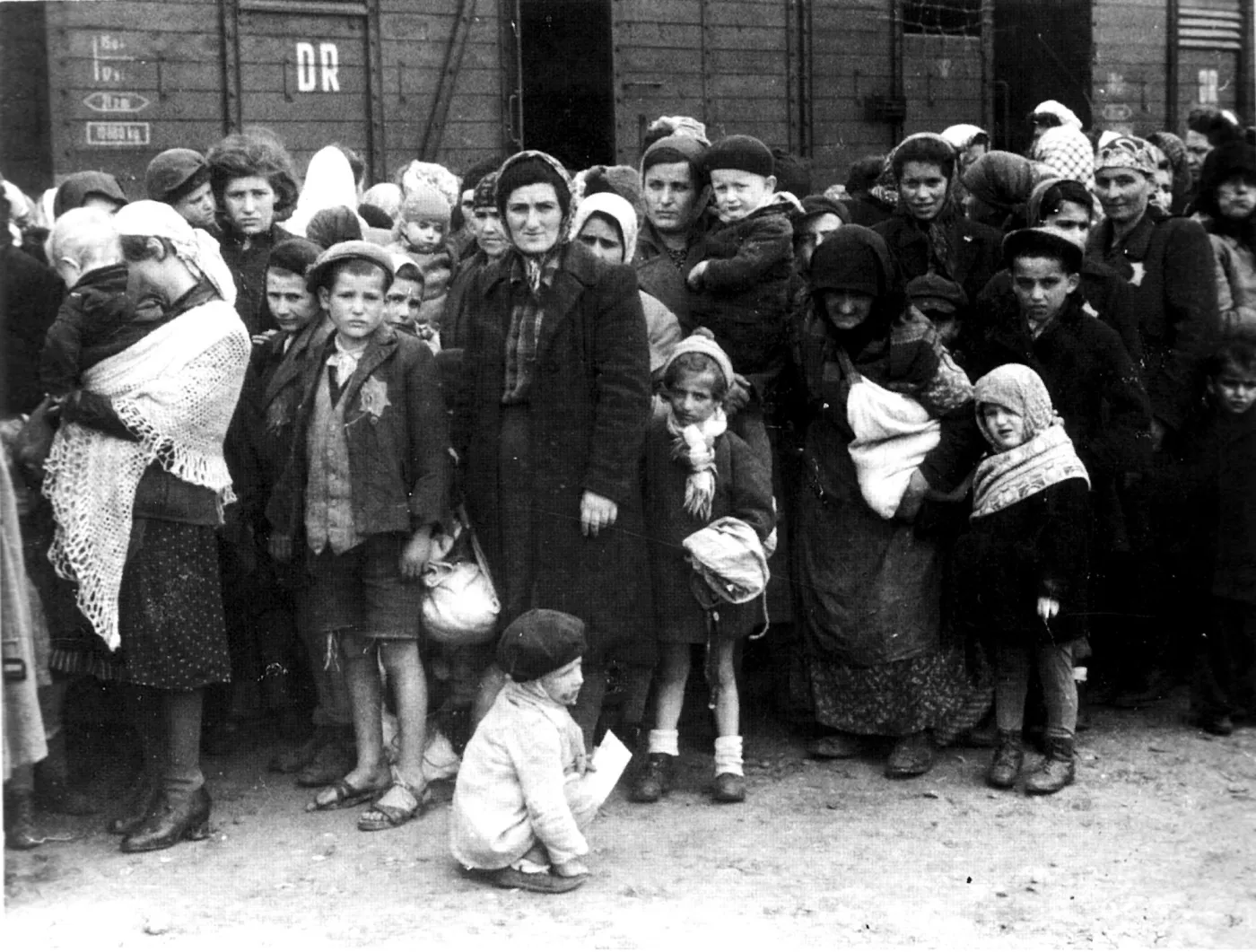
Arrivée à Auschwitz d'un groupe de Juifs en provenance de Hongrie durant l'été 1944. © German Federal Archives

Dans le wagon à bestiaux qui nous emmenait de Theresienstadt vers l’inconnu, papa se tenait accroupi sur le petit seau en fer blanc où nous devions faire nos besoins. Il n’y arrivait pas. Le train bougeait trop. Il manqua même à plusieurs reprises de tomber dans les excréments et la pisse qui débordaient de ces toilettes d’infortune. C’est à ce moment-là que je vis craquer cet homme si rieur et si solide. Un choc pour l’enfant de 15 ans que j’étais. Il cacha son visage dans ses mains tremblantes, même si personne dans le wagon ne faisait attention à lui. Je pleurai à mon tour. Comment étions-nous tombés si bas?

Nous étions une centaine de personnes, entassées depuis des heures dans ce minuscule espace de 80 m2. Nous ne pouvions ni nous coucher ni nous asseoir ni nous tenir debout, ni nous parler ni pleurer ni crier, ni mourir en paix. A tour de rôle, nous allions respirer un peu d’air frais à la minuscule fenêtre du wagon. Une lucarne trop haute et trop petite pour aérer ce qui était devenu un mouroir. Nous étions partis deux jours plus tôt, le 15 décembre 1943, de Theresienstadt. L’ordre était tombé vers le 13 décembre. Cette fois-ci, aucune maladie ne pouvait nous sauver. Mes parents le comprirent très rapidement. Après avoir rassemblé nos maigres affaires, nous dîmes au revoir à nos connaissances et nous rejoignîmes les 2'501 autres déportés du transport «Dr».

Le matin de notre départ, nous nous présentâmes tôt aux Allemands. Il faisait encore nuit et très froid. Tout était blanc autour de nous. Et nous allions plonger dans le noir durant trois jours et deux nuits.

Les SS nous transmirent nos numéros de voyage. Lala reçut le 1581, maman le 1583, papa le 1582 et moi le 1584. Et après ce dernier contrôle, nous montâmes tant bien que mal dans les wagons à bestiaux qui nous attendaient au sud du ghetto. Comme il n’y avait pas assez de place, les nazis durent nous pousser à coup de trique pour pouvoir fermer les lourdes portes en bois. Puis le train se mit en marche. Certains prièrent. D’autres, plus nombreux, pleurèrent. Maman, papa, Lala et moi nous restâmes silencieux. Mais dans les yeux de chacun, je lisais la peur de la mort.

Parfois, le train s’arrêtait dans les gares. Nous entendions la voix des gens sur les quais. Nous pouvions aussi lire les noms des localités que nous traversions en jetant un œil par l’une des quatre petites ouvertures grillagées. Et très rapidement, il devint clair que nous roulions vers la Pologne. Dans le wagon, chacun trouva sa place: debout et assis à tour de rôle. Il fallait tenir et nous blottir les uns contre les autres pour lutter contre le froid. Nous eûmes soif et faim. Durant tout le trajet, les Allemands ne nous donnèrent aucun ravitaillement. La porte du wagon resta désespérément fermée malgré nos appels à l’aide.

Ruth Fayon

by Ruth Fayon

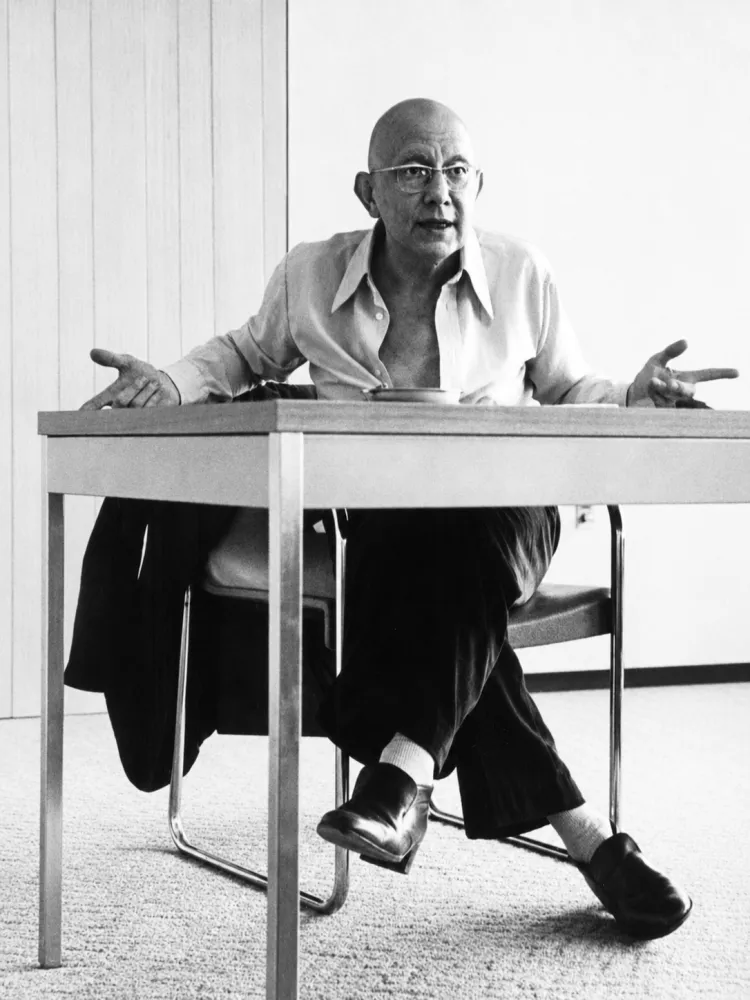
Born Pinczowsky in 1928 in Karlsbad (Czechoslovakia), Ruth Fayon (1928-2010) survived the hell of the Holocaust as a child. She was deported to Auschwitz or Bergen-Belsen. Settled in Geneva since 1959, she began speaking in schools from the 1970s against anti-Semitism and the forgetting of the Jewish genocide. In 2006, she received the Geneva Recognizing Medal and the Legion of Honor. Geneva honors her memory by dedicating this square to her.
Patrick Vallélian

by Patrick Vallélian
Historian and geographer by training, Patrick Vallélian is a Swiss writer, senior reporter, and media executive. Winner of several journalism awards, he has been a war journalist. He covered, among others, the Egyptian revolution and the civil war in Syria, which he discussed in Attentat Express (Ed. Seuil). In 2014, he founded Sept, a publishing house for non-fiction literature and slow journalism, which publishes, among others, Sept mook, the first magazine-book in Switzerland, and the website sept.info.


The continuation of this story is paid.

Subscribe

And enjoy unlimited access to the site for only USD 5,90 /month.

Do you already have a subscription? Log in!
See our subscriptions

Buy this item

Starting from 3 dollars, choose the price you want to pay to access this story and support us with no commitment.

Fast and secure payment with Stripe

log in before continuing

Already subscribed?

Log in to access this content.

All hashtags

Subscribe to our newsletters

Subscribe to our newsletters and read a free excerpt of our stories when they are published online. You will also stay informed about the release of each of our mooks and books.

Our partners

Union des éditeurs de voyage indépendants

Union des éditeurs de voyage indépendants

The best travel editors in the world

Association Films Plans-Fixes

Association Films Plans-Fixes

Creation of filmed portraits of well-known or unknown personalities from French-speaking Switzerland

Le Livre sur la Place

Le Livre sur la Place

Main literary festival of the season held in Nancy

Fondation Aventinus

Fondation Aventinus

Supports media diversity in French-speaking Switzerland

Baiutti

Baiutti

The contemporary builder

BCF

BCF

The Cantonal Bank of Fribourg

Canton de Fribourg

Canton de Fribourg

Culture at the service of the Fribourgeois

Canton de Vaud

Canton de Vaud

Culture at the service of the Vaudois

DIMAB

DIMAB

Your BMW, MINI, and ALPINA partner for Vaud, Valais, and Fribourg

Events Sugiez

Events Sugiez

Creator of party spaces

Fondation Fabrizio Calvi

Fondation Fabrizio Calvi

Promote investigative journalism

Fondation Jan Michalski

Fondation Jan Michalski

For writing and literature

Fotostiftung Schweiz

Fotostiftung Schweiz

Preserve the Swiss photographic heritage

Histoire et cité

Histoire et cité

Romand festival that questions contemporary historical issues

InForm

InForm

Association dedicated to informational intelligence

Journal La Motta

Journal La Motta

Discover Fribourg each summer, differently

Keystone-ATS

Keystone-ATS

The Swiss news agency

Kompreno

Kompreno

The best of European journalism

La nuit de la photo

La nuit de la photo

La Chaux-de-Fonds defends photography

La Semeuse

La Semeuse

Coffee roasted at 1000 meters altitude

Les Journées photographiques de Bienne

Les Journées photographiques de Bienne

Festival exploring new perspectives of the image

Morand Constructions Métalliques

Morand Constructions Métalliques

The metal experts since 1899

Musée gruérien

Musée gruérien

Museum dedicated to the culture and history of Gruyère

OLF

OLF

Office of the Book of Fribourg

OIKOS & CO SA

OIKOS & CO SA

Consulting firm in special financing

Photo Basel

Photo Basel

Art fair dedicated to photography

Photo Elysée

Photo Elysée

Vaud Cantonal Museum for Photography

Raboud Group

Raboud Group

Interior design based in Bulle

CO 2

CO 2

Cultural Season CO2 of Gruyère

Rollin

Rollin

Web development agency

TBB

TBB

Major cultural scene of Yverdon-les-Bains

Vigousse

Vigousse

Weekly satirical Swiss Romand

Ville de Lausanne

Ville de Lausanne

Library and Archives Service

Payot libraire

Payot libraire

Large Swiss bookstore, independent and committed, at the heart of Romandy's cultural life