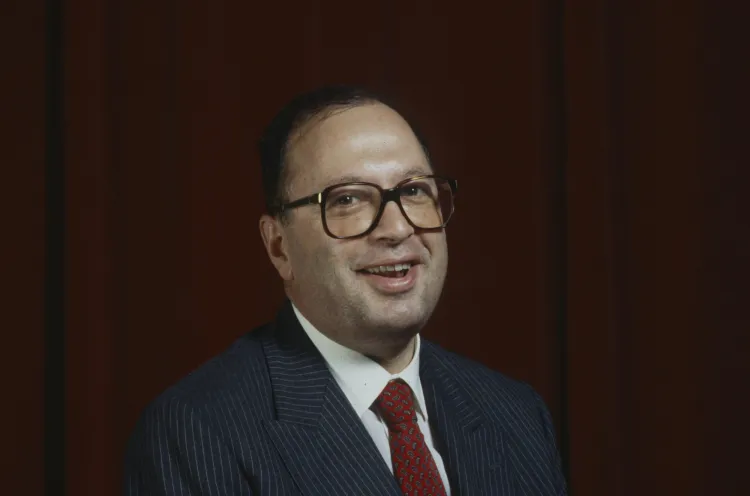

Setting foot on British soil, I felt a slight pang in my heart. I had completed my internship in London, filled with respect and awe for the ambassador at the time, Albert Weitnauer, a figure in Swiss diplomacy. 21 years later, I found myself in his office, in his residence, where I had started as an intern and 3rd secretary of the embassy, in this house which, in 1972, had just been inaugurated. With this experience, I knew some of the codes in force in the country. Public life was already marked by the relations between Great Britain and the European Union, and it was indeed the main issue I had to deal with. Bilateral negotiations for the sectoral agreement between Switzerland and the European Union were in full swing. The British political world had changed a lot, although some of the figures who held parcels of power during my internship were still in place. Such was the case with Lord Ezra, who was chairman of the Coal Authority, a frequent guest of Weitnauer, and whom I was pleased to see again.
No other country applies diplomatic protocol with as much finesse and rigor as the United Kingdom, so I felt comfortable in all the public events I attended. Thus, three days after my arrival, having presented a copy of my Letters of Credence to the Foreign Secretary, Douglas Hurd, I was able to start working without any restrictions. Hurd, a former diplomat sitting in an imposing office, impressed me with the well-defined foreign policy he conducted with competence. Later, he hoped to succeed Margaret Thatcher but withdrew gracefully from the competition for the position of Prime Minister. Our conversation was brief, without particular warmth and without interest.
One of my first activities was attending the 125th anniversary of the creation of the British Red Cross. The Swiss embassy was associated with this event, which led to a reception attended by the Queen herself. It was an opportunity for me to meet her before the formal presentation of my Letters of Credence. I endeavored to convey the message from Bern, which was to seek the support of the British authorities in our negotiation with the European Union. However, I quickly realized that this subject offered only limited interest to my interlocutors at the Foreign Office or the Board of Trade. Only the issue of the air agreement elicited a positive response from them, the lifting of any restrictions on the commercial exploitation of airspace – the famous Open Sky – being one of the Conservative government's main goals.
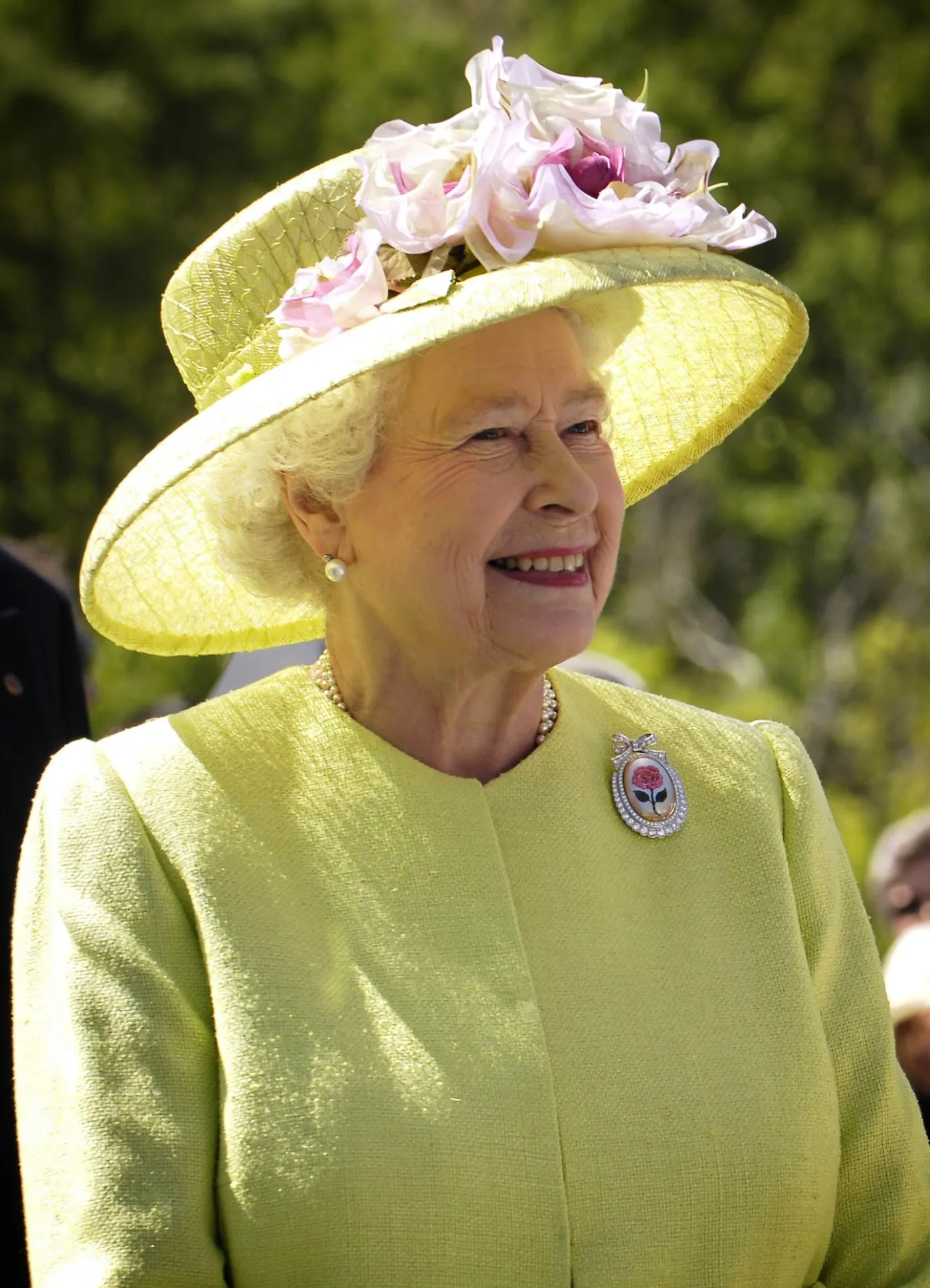
As I have already mentioned, the presentation of Letters of Credence by newly accredited heads of diplomatic missions takes on the character of a mini state visit, and this is the case in all countries. In London, this common occurrence in diplomatic life did not go without a particular decorum. It was February 16, 1995. The Marshal of the Court, Chief of Protocol, a former military man, Lord Weatherhall, came in person to the residence to conduct a full rehearsal. I traveled by carriage the distance from the Swiss residence to Buckingham Palace, crossing Hyde Park. Upon our arrival, a military detachment rendered honors without us stopping. The carriage I occupied alone was drawn by two horses, unlike those intended for members of Commonwealth countries, which had three... According to a now-disappeared tradition, my wife was to attend a private audience immediately after the official ceremony. Consequently, she could not accompany me in the carriage and followed in my personal vehicle. Over the years, this peculiarity disappeared. It is now possible to go as a couple to Buckingham Palace. I learned the hard way that one must always say Buckingham Palace. Indeed, one of my interlocutors, to whom I referred to Buckingham alone, corrected me: "But what does this village in the English countryside have to do with it?" He pretended not to understand what I meant because I had omitted the word "Palace." It was the Marshal of the Court who accompanied me as planned through immense and deserted salons. Suddenly, a sound signal rang out, indicating that we had to bow our heads in respect. We resumed our walk, then shortly after, a second signal of the same nature filled the room, prompting the same reflex. After walking for what seemed like an eternity through the labyrinth of successive corridors, I finally saw the Queen, standing on a carpet whose central design, a blue circle, evoked the London Underground logo. I stood in front of her as the Marshal made the introductions. The document I handed her, signed by Otto Stich, President of the Confederation in 1994, was immediately passed to the Deputy Secretary of State, dressed in a uniform with a feathered hat under his arm. Then, we had, still standing, a brief conversation about the stages of my career before once again the bell rang and the twelve members of the embassy in ceremonial dress, who were part of the delegation I was authorized to present to the sovereign, entered one by one. They bowed, shook her hand, turned around, and left, except for one colleague who made a remark about the validity of the UK's European policy. The Queen turned her head and pointed to the diplomat standing a meter from her: "It is probably to him that this remark is addressed," she declared. Then, we withdrew to an adjacent salon. The arrival of my wife marked the end of the formal audience. The Queen appeared to me as an elegant and at-ease person despite the ritual of a ceremony she underwent at least 50 times a year. Lively, benevolent, very present, she took her role very seriously. During the conversation, she asked real questions and showed genuine interest in the words of her interlocutors. We were seated in the audience room, where I could see the Queen's glasses and file, placed on the desk. I mentioned her trip to Switzerland in 1980, then we talked about tunnels, as it was a common experience for our two countries: the Channel Tunnel, which was just after its inauguration, and the Gotthard Tunnel, which was beginning to be dug. She injected a comic note into this exchange by recalling that a tunnel boring machine had been lost under the Channel. She asked me if I still skied, recalling that her children loved going to Switzerland for this purpose. I replied in the negative and explained that I had given it up since it required wearing moon boots and the skis had become much shorter. After fifteen minutes, the audience was over. Upon leaving, I had to turn around to bow one last time before the carriage brought us back together to the embassy where a few guests—including the Marshal of the Court and the Swedish ambassador, who came as a neighbor—celebrated the occasion with a glass of champagne.
It was strictly prohibited to photograph the audience itself, which is no longer the case today, but all other stages of my visit were duly recorded by a professional photographer who offered his services to the embassies.
Share this story


by François Nordmann